
What is Separation Anxiety?
Separation anxiety is a normal and common phase in a baby’s development where they experience distress when separated from their primary carers. It can appear suddenly (or not so suddenly) but you will definitely notice it’s impact on all aspects of your child’s life including sleep!
Not all babies experience it and for some it’s a lot more intense than others. It can last several months but typically fades away by the time they turn two.
What are the signs of separation anxiety?
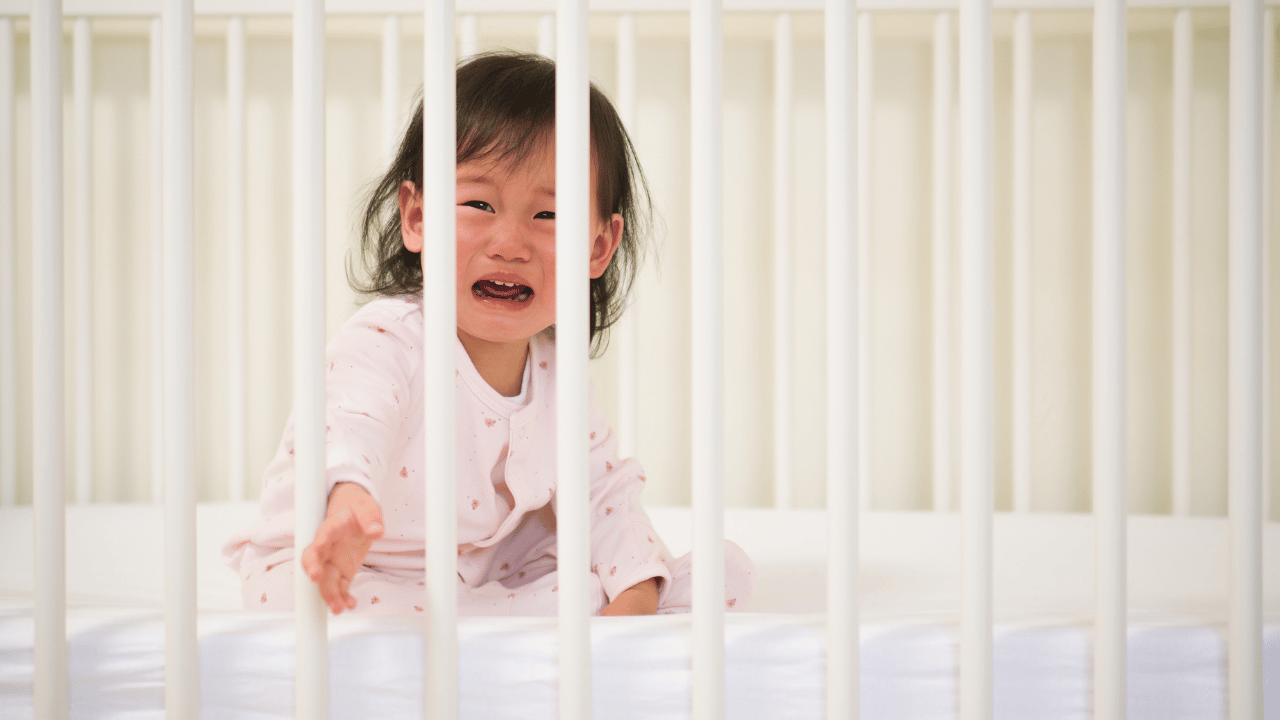
Your baby may show a variety of signs of separation anxiety. These include increased crying, clinginess, and resistance to being left alone. They may refuse to play on their own.
You may also notice sudden difficulty with sleep including night waking and tricky naps. They may also resist sleeping in their cot as they would much rather sleep with you!
What Causes Separation Anxiety?
The main causes of separation anxiety in babies are tied to several key developmental milestones around 8-10 months.
1.Object permanence:
Around this age, babies’ brains are developing and beginning to understand that people and objects continue to exist even when they’re out of sight. Babies start to understand that they are separate people and not a part of their parent.
This newfound awareness can lead to distress when parents leave the room, as the baby realizes they are separate and might not immediately return. In the night, your baby may wake, realise you are no longer there and cry for you.
2.Physical development:
As babies become more mobile, learning to crawl or stand, they encounter more situations where they are separated from their caregivers, which can heighten feelings of insecurity.
Please remember that separation anxiety is completely normal. However, it can be really hard – especially when you can’t even take a trip to the toilet by yourself!
When Does Separation Anxiety Peak for Babies?
Separation anxiety typically peaks between 8-10 months and can have another peak around 14-18 months. However, every child is different, and some may experience these feelings earlier or later.
How Do You Know if Separation Anxiety is affecting sleep?
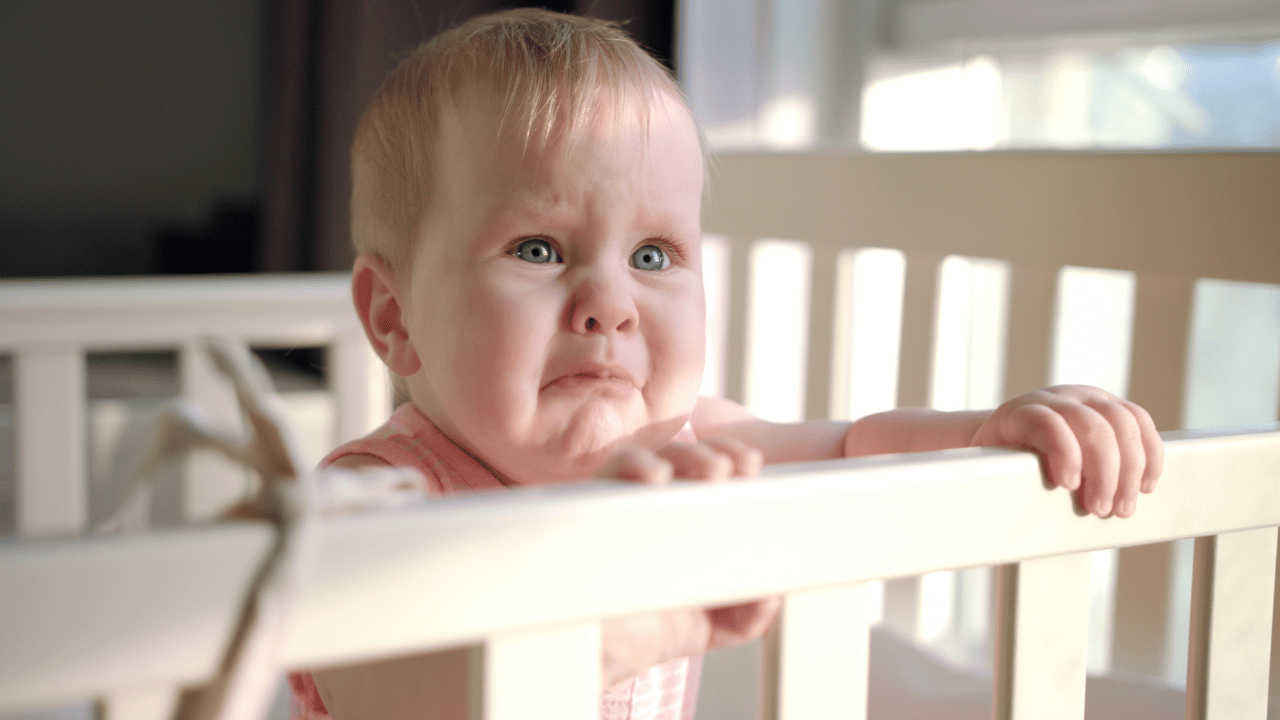
If your baby wakes up crying and seems distressed about being left alone, it could be due to separation anxiety. Signs include:
- Your baby is fussier than normal and will only fall asleep in your arms
- Your baby is crying when you leave the room or when they wake up and find you absent.
- Increased clinginess during the day.
- Your baby is suddenly taking short naps or struggling to fall asleep at nap time.
- Difficulty settling back to sleep without your presence.

How Can I Help My Baby or Toddler Deal with Separation Anxiety?
Here are some strategies to support your child through this phase:
1-on-1 Time
Spend quality time with your baby or toddler, giving them your undivided attention. This helps them feel secure and reassured of your presence and love. Even just 10-15 minutes each day can boost connection and make a difference.
Goodbye Rituals
Establish a consistent and brief goodbye ritual. This could be a hug, kiss, and a short phrase such as, “I’ll be back soon.” Creating this goodbye ritual will help them understand that ‘mummy always leaves after kissing and saying goodbye and comes back after some time’.
When dropping them off, make it brief. Try not to linger. Hanging around and offering extra cuddles and kisses can make it more upsetting for your child.
Peekaboo Games
Playing peekaboo can help your child learn that even when you disappear from view, you always come back. This game can be a fun and effective way to build trust and reduce anxiety.
Hiding Toys
Covering and uncovering toys can also reinforce the concept that objects and people can reappear after being out of sight. This helps build confidence in the permanence of their environment. Hide a small toy under a plastic cup and see if they will pick it up and look for it.
Practice Leaving and Returning
Start with short separations and gradually increase the time. This practice helps your child get used to being apart from you and reassures them that you always return. Start with just leaving the room for a few seconds whilst talking to and reassuring your baby that you are still there. You can then build up to a few minutes apart.
Avoid Sneaking Away
While it may be tempting to sneak away to avoid tears, this can actually increase anxiety. It’s better to say goodbye and reassure your child that you’ll be back, building trust.
Can a Lovey or Comforter Help with Separation Anxiety?
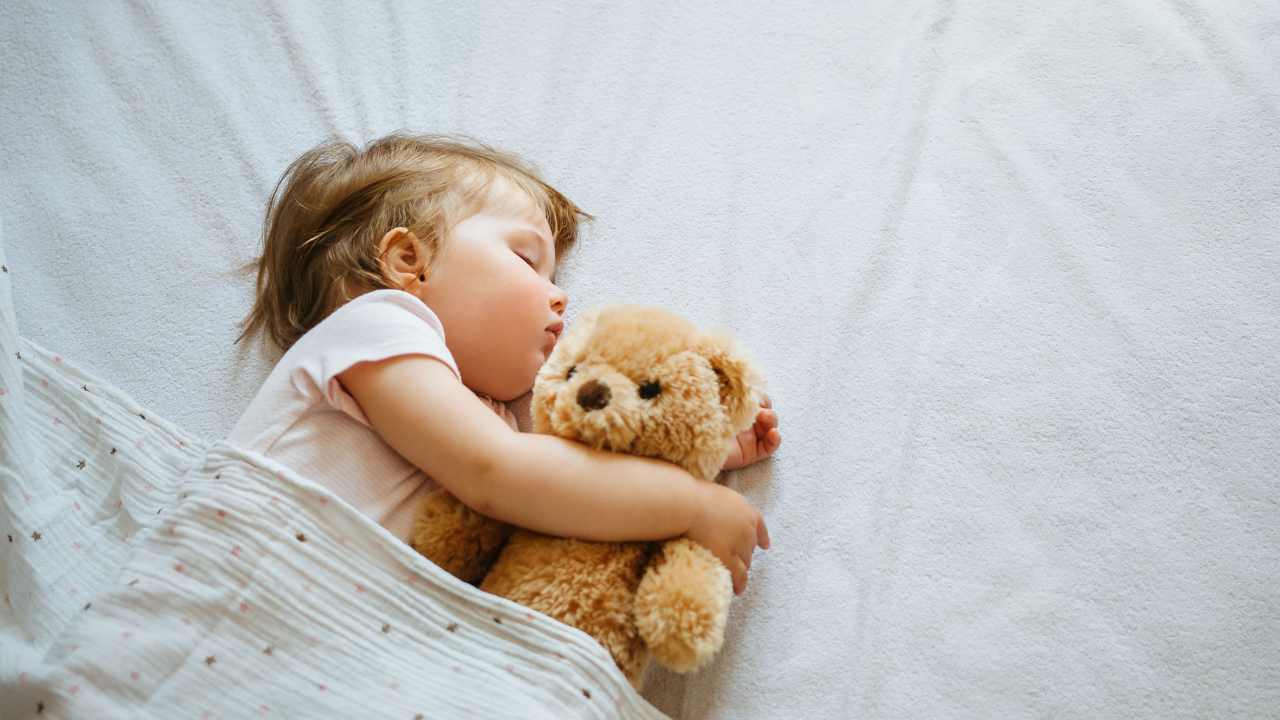
Yes! A lovey or comforter can be really helpful and provide comfort and security during stressful times, including sleep. A familiar object can help ease the transition when you leave the room, drop off at daycare or when your child wakes up during the night.
Safety Tip: It’s important to note that these should only be introduced for sleep after 12 months of age, following safe sleep guidelines.
Not all little one’s will immediately attach themselves to a lovey or comforter. Your child may show no interest whatsoever. Sometimes with a bit of persistence and persuasion, they will get used to it.
Here are some tips for introducing this special object:
- Include in Routines: Incorporate the lovey into daily routines, such as during storytime, bedtime, nap time and every time you are nursing them, to help your child associate it with comfort and security.
- Make it Smell of You: Make the lovey smell like you by keeping it close or sleeping with it for a night, as your scent can provide additional comfort.
- Encourage Attachment: Gently encourage your child to hold or cuddle the lovey during soothing times, but don’t force it if they show no interest initially.
- Let them Choose: For toddlers, if they don’t take a lining to one particular lovey or teddy, you can allow your child to choose their favourite lovey from a small selection. It’s okay if they choose a different one each night.
How Do I Support My Child with Separation Anxiety Around Sleep?
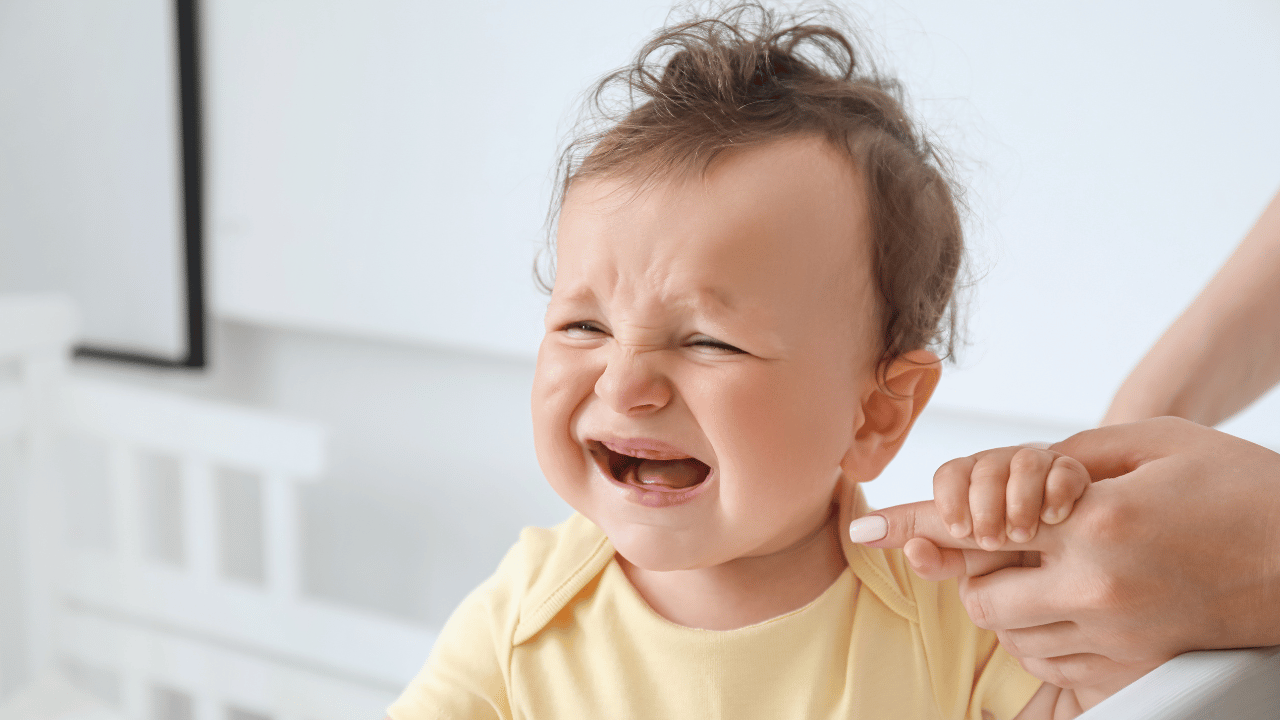
Supporting your child with separation anxiety around sleep can be challenging. Sleep is naturally a long time of separation from each other.
Here are several strategies to help ease this anxiety:
1.Establish a Consistent Bedtime Routine
This is one of the most important things you can do. Create a predictable and calming bedtime routine, such as a bath, story time, and songs. Repeat this in the same order every single night. Consistency helps your child know what to expect and can help this tricky phase pass more quickly.
2.Spend Time in Their Room
During the day, spend positive, playful time in your child’s bedroom. This can help them associate the space with safety and comfort, rather than just separation at night.
Get dressed, do nappy changes, read books together and play fun games in there. Try to build a positive connection with the room and the sleep space.
3.Patience and Understanding
Understand that separation anxiety is a normal developmental phase. Try to be patient and consistent with your approach, as it will take time to pass. Remaining calm yourself, will help your child stay calm and more likely to get to sleep. They may need more support from you during this phase to fall asleep and back to sleep. The good news is that if they were sleeping well before this, you will be bale to get back on track as soon as it passes.
4.Make a plan
If you’re finding that sleep is an ongoing struggle for you or you need help getting back on track, check out my sleep support. My baby (5-24 months) and child (2yrs+) packages will support you to achieve peaceful nights and more independent sleep. Remember, every child is unique, and sometimes a little extra help can make a big difference in achieving restful nights for both you and your baby.
Conclusion
Separation anxiety is a natural part of your child’s development and can manifest in various ways, including night waking. While it can be challenging, understanding this phase and implementing supportive strategies can make a significant difference. Remember, this phase is temporary, and with patience and consistency, your child will become more comfortable with separations and more confident in their independence.


