
Navigating the world of infant sleep can be a daunting task for new parents. If you’re feeling exhausted with broken sleep, you’ve probably spent some time googling for advice on how to solve your sleep struggles.
This has probably left you feeling confused and overwhelmed. There are so many different approaches to improving sleep. It can be difficult to know which approach will best meet your baby’s needs and align with your parenting style.
Two popular approaches are sleep coaching and sleep training. In this article, you will learn what the differences are, the common methods used and the pros and cons of each.
Understanding the differences between them will help you make an informed decision about which is best for you and your baby.

What is sleep training?
Sleep training refers to a range of techniques aimed at teaching babies to fall asleep independently and sleep for longer stretches. Traditional sleep training methods often involve some form of “cry it out” (CIO), where babies are allowed to cry for specified periods before receiving comfort. A baby will potentially cry until they manage to fall asleep by themselves.
Common Sleep Training Methods
- Ferber Method: This involves allowing the baby to cry for gradually increasing intervals before offering comfort.
- Extinction (Cry It Out): This method involves allowing the baby to cry until they fall asleep without intervening.
- Chair Method: A ‘gentler’ approach where parents sit in a chair next to the cot and gradually move the chair further away each night until the baby can fall asleep independently.
What is sleep coaching?
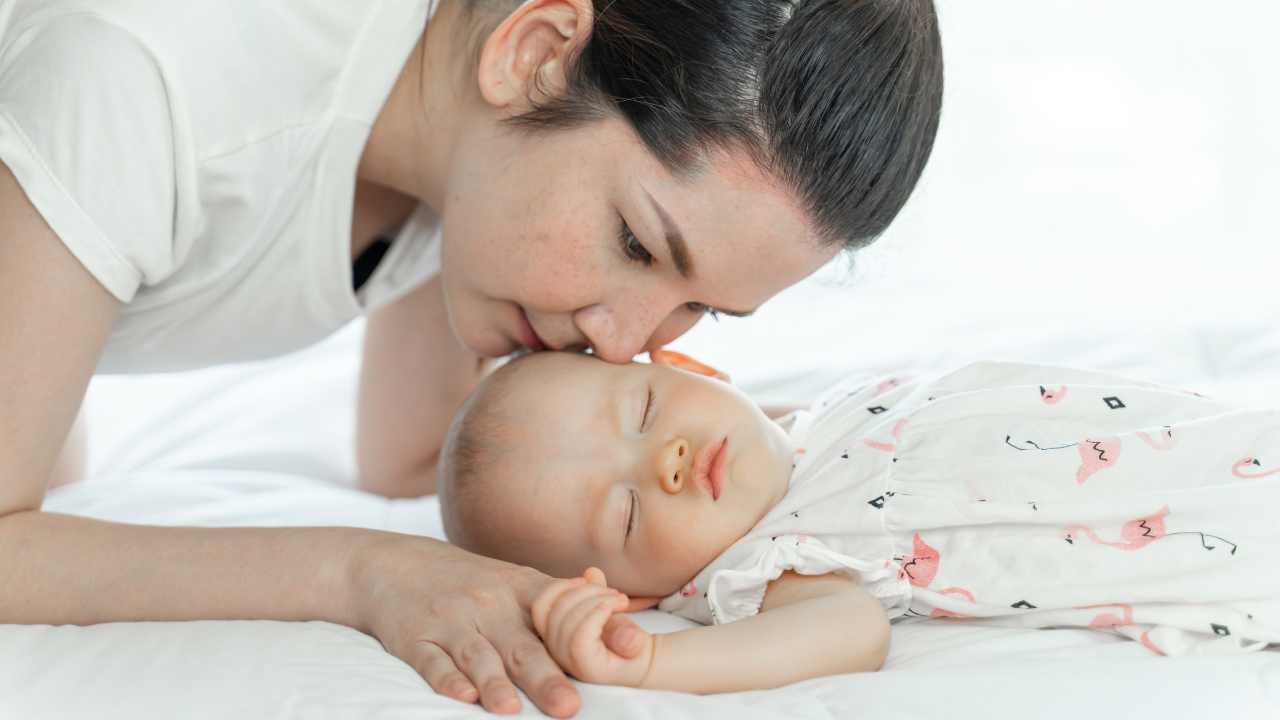
Sleep coaching, on the other hand, takes a more holistic and gentle approach. A sleep coach will help you to understand normal infant behaviour and takes into account different stages of infant development.
Sleep coaching looks at the child as a whole including daytime routines and activities, feeding patterns, connection and emotional wellbeing for example. It focuses on understanding your baby’s natural sleep patterns as well as their temperament and current habits to optimise sleep.
Sleep coaches provide personalized support and strategies tailored to each family’s unique situation, emphasizing a gentle, responsive approach to improving sleep. A sleep coach not only provides the right information and knowledge to improve sleep but will also support you as you make the gradual changes.
A sleep coach will always try to work out the underlying reasons for the sleep issue. Is their feeding optimised? Are they more alert at bedtime as their sensory needs are not being met? Do they need a longer wind-down routine? Are they waking for connection in the night?
Common Sleep Coaching Techniques:
- Establishing a Routine: Creating a predictable daytime routine as well as a consistent bedtime and nap routines to signal to the baby that it’s time to sleep.
- Understanding the Root Cause: Being curious to look at the child as a whole to ensure every aspect linked to sleep is optimised.
- Gradual Sleep Changes: Making small, incremental changes to a baby’s sleep habits to encourage independent sleep in a gentle way.

How do sleep coaching and sleep training differ?
Many people use these terms interchangeably so it’s a good idea to look closely at the type of approach being used when looking for professional support.
The main goal of sleep training is to help babies learn to self-soothe and fall asleep without needing parental intervention. Sleep trainers focus heavily on teaching a baby to settle to sleep at bedtime and in the middle of the night independently within a relatively short timescale of 3-5 days.
Sleep training usually involves following strict schedules in the day without much flexibility. Sleep trainers often suggest prescribed nap times and nap lengths. Knowing when your baby will sleep may well be very appealing but the research shows that strict schedules only work 20% of the time. For lots of families, trying to follow a strict schedule can cause unnecessary stress and frustration.
The main focus of a sleep coach is to empower a parent with the correct knowledge and support to improve sleep. Strategies that are used are usually gentle and responsive and tailored to the child’s temperament and the family’s situation. They take into account the unique sleep needs of each child.
Sleep coaching is not an overnight fix. However, over time with the right strategies for you and your baby, making gradual changes, families achieve their sleep goals often with minimal or no crying.

Which is Best for Your Baby?
Deciding between sleep training and sleep coaching depends on various factors, including your baby’s temperament, your parenting style, and your family’s needs.
- Consider Your Baby’s Temperament: Some babies may adapt well to structured sleep training methods, while others might need the gentler approach of sleep coaching.
- Reflect on Your Parenting Style: If you prefer a more hands-on, responsive approach, sleep coaching might be more aligned with your values. If you’re looking for quicker results and feel comfortable with a more structured method and leaving your baby to cry, sleep training could be a good fit.
- Evaluate Your Family’s Needs: Consider factors like your work schedule, other children in the home, and overall family dynamics. Some families may need a quicker solution due to external pressures, while others may have the flexibility to adopt a slower, more gradual approach.
Ultimately, there is no one-size-fits-all answer. The best approach is the one that feels right for you and your baby, helps everyone get better sleep, and creates a loving, secure environment.
Am I a Sleep Coach or a Sleep Trainer?
I am a Sleep Coach!
I do not support the CIO method but there is honestly no judgement from me if this is something that you have tried. I understand first-hand the mental and physical toll of sleep deprivation and know you may be exhausted and desperate for some rest.
However, I am here to offer you a gentle path to more independent sleep for you and your little one.
My approach as a Sleep Coach
We begin with an in-depth review of your sleep challenges and sleep goals as well as looking holistically at your child’s overall health and well-being.
We will identify the reasons for the sleep challenges and discuss what strategies we will use to solve these issues.
– I make recommendations for how to optimise your baby’s sleep. We will meet together to discuss your baby’s sleep challenges and the best way to solve these.
– I write a personalised sleep plan for your child. This plan will include recommendations for daytime routines, a positive bedtime routine and a step-by-step summary of the strategies that we have discussed.
– I offer high level support as you make changes. I offer unlimited support for most of my sleep packages. I will be available to answer your questions and offer reassurance and encouragement as you follow the plan. I don’t limit the support you receive as I know having worked with hundreds of families that it’s the support that makes the biggest difference for parents working on sleep.