
Getting your baby to sleep can be a challenge on its own, but when temperatures soar, it brings additional concerns about keeping your baby safe and comfortable without overheating. The Lullaby Trust recommends an ideal room temperature of 16-20°C for sleeping babies, but this isn’t always achievable on warm, sunny days. A room that’s too warm can make babies restless and irritable, leading to disrupted sleep for everyone. These tips will help you create a cooler, safer sleep environment for your little one and help you all get more sleep in the heat.
1. Choose the correct clothing and bedding
Getting the right balance between vests, baby grows and sleeping bags isn’t always easy. Babies are generally not used to sleeping uncovered so just leaving them in a nappy can make them unsettled. Using tog ratings as a guide can help you dress your baby appropriately. For example, a 0.5 tog sleeping bag can be light enough to keep your baby cool on a warm night whilst keeping your baby covered.
Here is a general guide of how to safely dress your baby depending on the room temperature:
- 27°C and above – vest and nappy or nappy only
- 24-27°C – short sleeved vest and 0.5 tog sleeping bag
- 21-23°C – short or long sleeved vest and 1 tog sleeping bag
- 17 -20°C – sleepsuit and 2.5 tog sleeping bag
- Below 16°C – sleepsuit, vest and 2.5 tog sleeping bag
It’s important to remember that every baby is different. You may need to adjust these guidelines based on how your baby seems to feel during the night.

2. Create a breeze to cool the house down
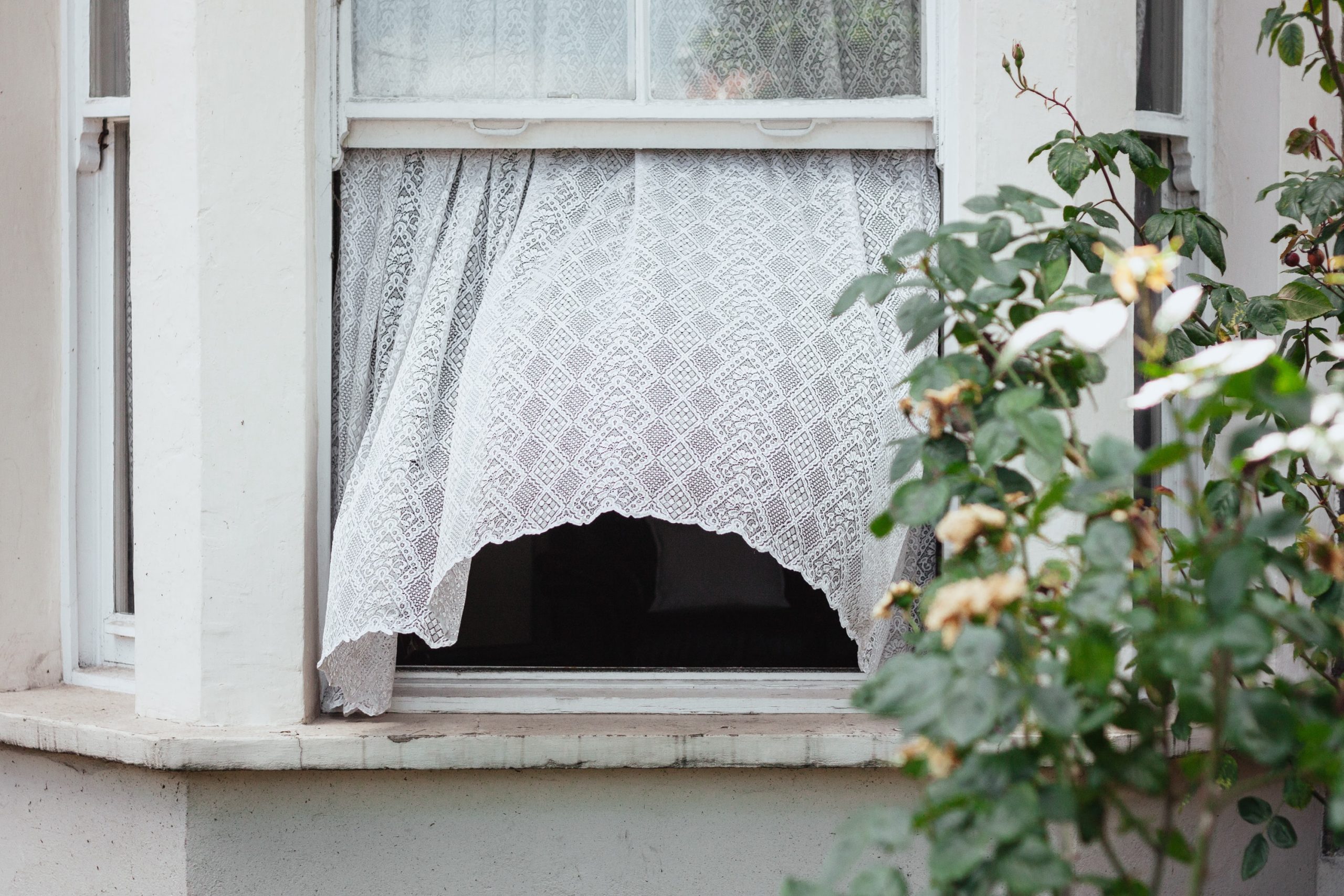
Start by opening all the windows early in the morning to create an airflow through the house. However as soon as it starts warming up keep the bedroom curtains and blinds closed to block out direct sunlight, which can significantly raise room temperatures. If it’s warmer outside than inside, keeping the windows closed can help maintain a cooler indoor temperature.
3. Keep the bedroom as cool as possible
To cool the air in the bedroom, consider using a fan, but be mindful not to have it blowing directly on your baby. A useful trick is to place frozen bottles of water in front of the fan to cool the air as it circulates around the room.
Beyond just using a fan, there are other strategies to keep your baby’s room cool. For example, during the day, you can use blackout curtains that reflect heat while keeping the room dark, which can make a significant difference in maintaining a cooler temperature.
4. Make sure your baby has enough fluids
Keeping your baby hydrated is crucial, especially during hot weather. You may find that your baby needs more frequent quick feeds through the night to keep them hydrated when it’s hot.
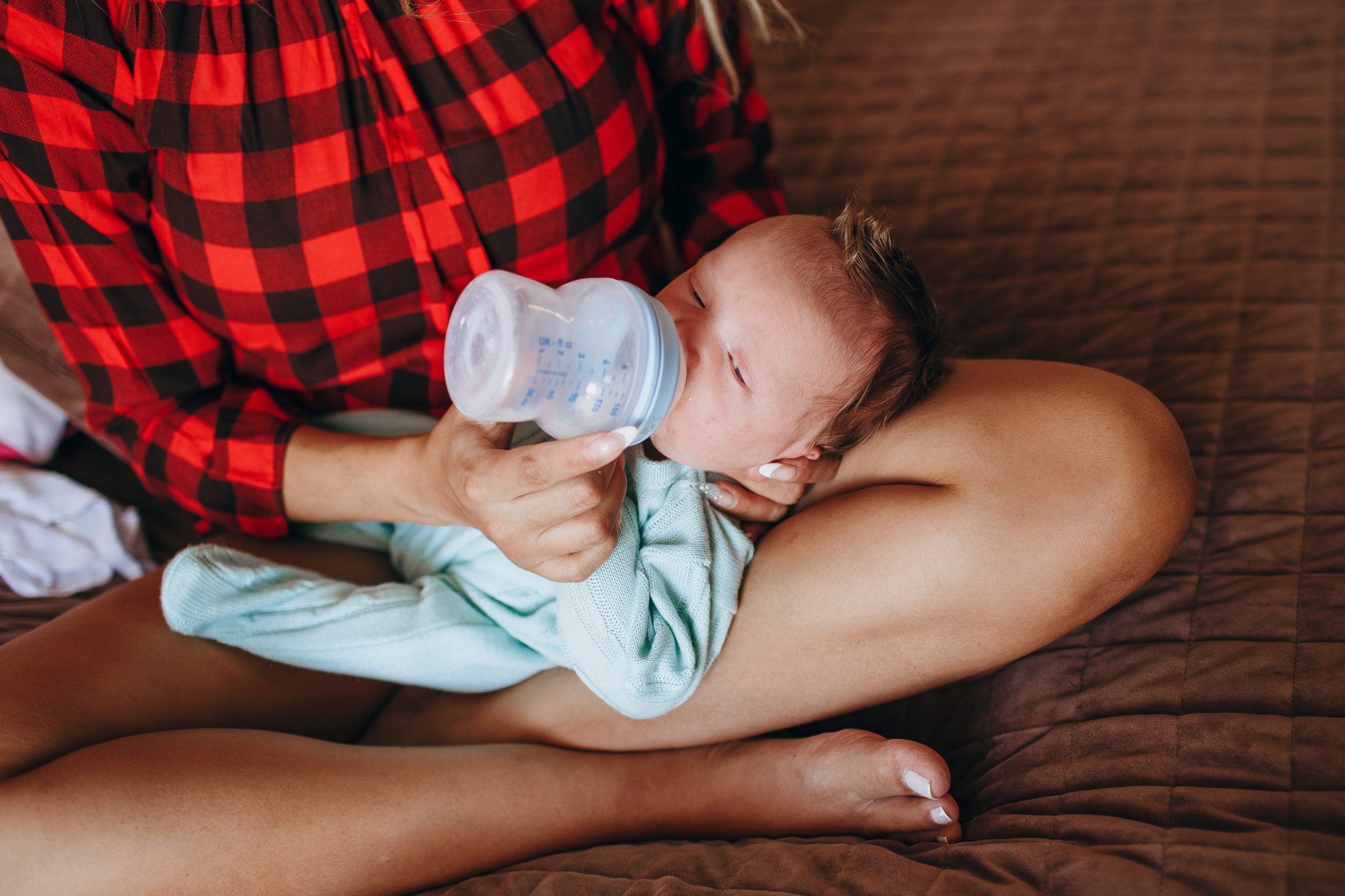
Breastfed babies might need more frequent feeds as breast milk provides all the hydration they need. For formula-fed babies, offering cooled, boiled water (if under six months) or tap water (if over six months) between feeds can help keep them hydrated.
5. Opt for 100% Cotton Sleepwear and Bedding
When it comes to sleepwear and bedding, natural fibers like cotton are your best bet. Cotton is breathable, helps wick away moisture, and dries quickly, which all contribute to keeping your baby cool and comfortable throughout the night. Avoid synthetic fabrics, which can trap heat and make your baby feel even warmer.
6. Watch the room temperature
Temperatures can change quickly, especially in the UK, where a hot day can turn into a cool night. Regularly check the room temperature to see if an extra layer is needed, particularly in the early hours of the morning. A room thermometer is an essential tool for this, as it gives you a clear idea of how to dress your baby for the night.
7. Check if your baby is too hot or too cold
The Lullaby Trust recommends the best way to check whether you baby is too hot or too cold is by feeling their chest or the back of their neck. If the skin feels hot or sweaty, you can remove one or more layers of bedding or clothing. Don’t rely on feeling their arms or legs as these often feel cooler to the touch and might not give an accurate indication of their overall body temperature.

8. A refreshing bath before bedtime
A tepid bath before bedtime can help regulate your baby’s body temperature and provide a soothing routine that helps them settle down. Make sure the water isn’t too cold, as this could cause your baby’s body to overcompensate and raise their temperature after the bath.

9. Do not cover prams or buggies
When out and about, it’s important not to cover your baby’s pram or buggy with blankets, muslins, or other covers to block out the sun. This can dangerously trap heat and prevent air from circulating, leading to a rapid increase in temperature inside the pram. Instead, use a sunshade or a parasol designed for prams, and always make sure there is adequate airflow.

10. Postpone bedtime
If your baby’s room is still too warm at their usual bedtime, consider postponing sleep until the room has had a chance to cool down.
While a consistent bedtime routine is important, ensuring your baby is comfortable and safe should be the priority. You may be able to settle your little one in a cooler room downstairs or use this extra time for some calming activities like reading a book.
Final Thoughts
Keeping your baby cool and comfortable during hot weather is key to ensuring they can safely sleep in the heat. By following these tips, you can create an ideal sleep environment that helps prevent overheating and promotes better rest for both you and your baby. Remember, every baby is different, so adjust these strategies as needed to find what works best for your family.


